

Do Inflatables Use a Lot of Electricity?
Many people who plan events or use inflatables for advertising have a common question: do inflatables use a lot of electricity? There is a worry about high power bills, especially for displays that run all day or all night.
The short answer is no. Custom inflatables do not use much electricity. Most models are surprisingly energy efficient. Understanding the two main types of inflatables and their basic power needs makes this clear and helps with planning.
How Much Electricity Do Inflatables Use?
For the most common type, the continuous air inflatable, the power use is modest. And the electrical cost is surprisingly low.
A typical electric blower for a standard-size arch or bounce house runs on about 250 watts. This is similar to a standard incandescent light bulb from or a small desktop computer.
To put this into cost, running a 250-watt blower for a full 24-hour period would use about 6 kilowatt-hours of electricity. Based on an average national electricity rate, this would cost around one dollar for the entire day. For a shorter event, like an eight hour party, the cost drops to roughly thirty-five cents.
Two Types of Inflatables and Their Power Needs
There are two main designs, and they use power very differently. The first is the continuous air inflatable. These are items like custom inflatable arches, bounce houses, and air dancers. They have a fabric shell and require an electric blower to run non-stop. The blower pushes air into the structure to keep it firm and upright. If the blower is turned off, the inflatable will slowly deflate and collapse. As noted, these blowers are generally low-wattage, averaging around 250 watts for standard commercial models. Larger or more complex structures, like a giant custom mascot, might use a slightly more powerful blower, perhaps 500 watts. Even then, the daily cost remains low, often under two dollars for constant operation.
The second type is the sealed air inflatable. These are often used for product replicas,inflatable holiday decorations, or some point-of-purchase displays. They are inflated one time using a blower or pump. Then, a valve is closed, sealing the air inside. After this, no electricity is needed at all. The structure stays inflated on its own, like a beach ball. The power use happens only during the initial setup. Inflating a large sealed item might take a blower 20 to 30 minutes of work. This uses a tiny amount of electricity, costing just a few cents. For a multi-day event, this type uses far less total power than a continuous air model.
Power Setup and Practical Considerations
While the cost is low, proper setup is still important for safety and function. Most inflatable blowers use a standard 110-volt household outlet. The main requirement is having an outlet close enough to the setup location. Using a very long, lightweight extension cord can cause problems. The motor can overheat if the cord is too thin, or the inflatable may not get enough power to stay full. For runs longer than 100 feet, a heavy-duty extension cord with a thick gauge wire is necessary.
It is also wise to protect the electrical connection from the weather. If the outlet or connection point is exposed to rain, use a covered outdoor outlet box. A simple tip is to place the blower motor itself on a piece of wood or a brick to keep it off damp ground. For events in public spaces, check in advance for access to an outlet. Some locations may require the use of a quiet generator. A small, 2000-watt generator can easily power one or two inflatable blowers with plenty of energy to spare for other needs.
Breaking Down the Operating Costs
Looking at specific examples helps clarify the minimal expense. For a continuous air inflatable with a 250-watt blower, the math is simple. First, find your local cost per kilowatt-hour, which is listed on your electricity bill. A common rate is about 15 cents.
-
Running for 4 hours: 1 kilowatt-hour used, costing about $0.15.
-
Running for 8 hours: 2 kilowatt-hours used, costing about $0.30.
-
Running for 12 hours (a full business day): 3 kilowatt-hours used, costing about $0.45.
-
Running for 24 hours: 6 kilowatt-hours used, costing about $0.90.
For a sealed inflatable, the calculation is different. If a 500-watt pump runs for 20 minutes to inflate it, that uses about 0.167 kilowatt-hours. At 15 cents per kWh, the one-time inflation cost is about two and a half cents. There is no further cost for the rest of its use.
In summary, the question "do inflatables use a lot of electricity?" has a reassuring answer. They are not a significant drain on power. Continuous air models cost about one dollar per day to operate, while sealed air models cost pennies. The small amount of electricity required makes them a practical choice for long-term displays, weekend events, and holiday decorations without concern for a large utility bill. The key is to provide a proper power source and focus on safe setup, letting you enjoy the visual impact without electrical worry.
Discover Unique Custom Inflatable Designs for Every Event

Inflatable Tents

Inflatable Advertising Balloons

Inflatable Advertising Blimp

Custom Bounce House

Inflatable Tunnel

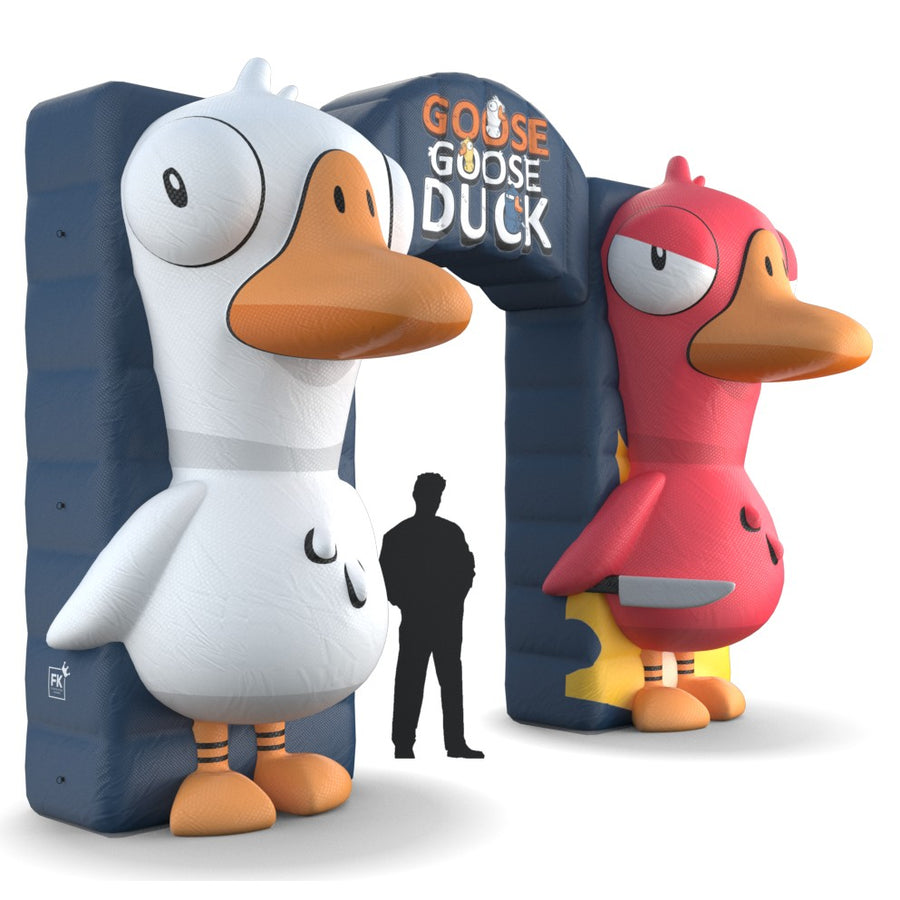
Inflatable Arch

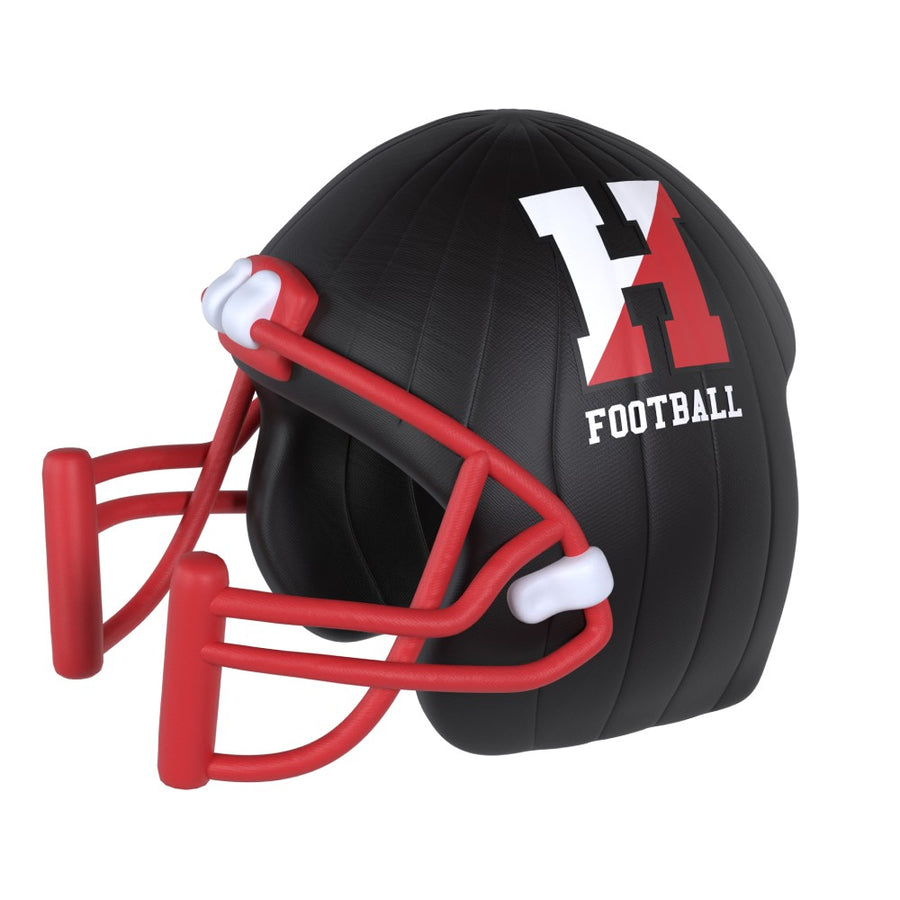
Inflatable Football Helmets